Skip to main contentSkip to main content
You have permission to edit this article.
Edit Close

52°
- Log In
- Subscribe
 Guest
- Logout
Read Today's E-edition
Site Search
- AI Answers
- Site Search
-
News
- Local
- Crime
- Nebraska News
- Politics
- Records
- Business
- Nation & World
- Last 24 hours
- Markets & Stocks
- News TIp
-
Opinion
- Submit a letter
- Letters
- Editorial
- Columnists
-
Sports
- Huskers
- High School
- College
- Stars Hockey
- Saltdogs Baseball
- Outdoors
- Professional
- Scores
-
Lifestyles
- Arts & Theatre
- Event Calendar
- Movies & TV
- Music
- Puzzmo
- Puzzles
- Comics
- Contests
- Play
- Food & Cooking
- Parenting
- Health
- Home & Garden
- People
- Pets
- Faith
- Announcements
-
Join the community
- News tip
- Share video
-
Brand Ave. Studios
- Go Find It! Nebraska
-
Print Edition
- E-edition
- E-edition Archives
- Special Sections
-
Buy & Sell
- Place an Ad
- Jobs
- Auto Sales
- Marketplace
- Public Notices
- Shop Local
-
Shopping
-
Customer Service
- Manage Subscription
- Activate Digital Subscription
- Newsletter sign-up
- Subscribe
- Contact us
- Help Center
-
Gift Subscriptions
-
Mobile Apps
- Bluesky
- YouTube
© 2026 Lee Enterprises
Terms of Service | Privacy Policy
Site Search
- AI Answers
- Site Search


Site Search
- AI Answers
- Site Search
A Lee Enterprises, Incorporated newspaper. Majority shareholder: David Hoffmann, Hoffmann Media Group.
Subscribe
Read Today's E-edition
Subscribe
-
Welcome, Guest
-
Help Center
-
My Account
-
Profile
-
Logout
-
- E-edition
- News
- Obituaries
- Opinion
- Huskers
- Puzzmo
- Puzzles
- Lifestyles
- Public Notices
- Jobs
- Autos
- 52° Cloudy
Share This
'Silent Spring' 60 years later: 4 essential reads on pesticides and the environment
Share this
A Lee Enterprises, Incorporated newspaper. Majority shareholder: David Hoffmann, Hoffmann Media Group.
Spotlight
'Silent Spring' 60 years later: 4 essential reads on pesticides and the environment
- Jennifer Weeks, Senior Environment + Energy Editor, The Conversation
- Oct 15, 2022
- Oct 15, 2022 Updated Jul 3, 2026
- 0
Prefer us on Google Learn More
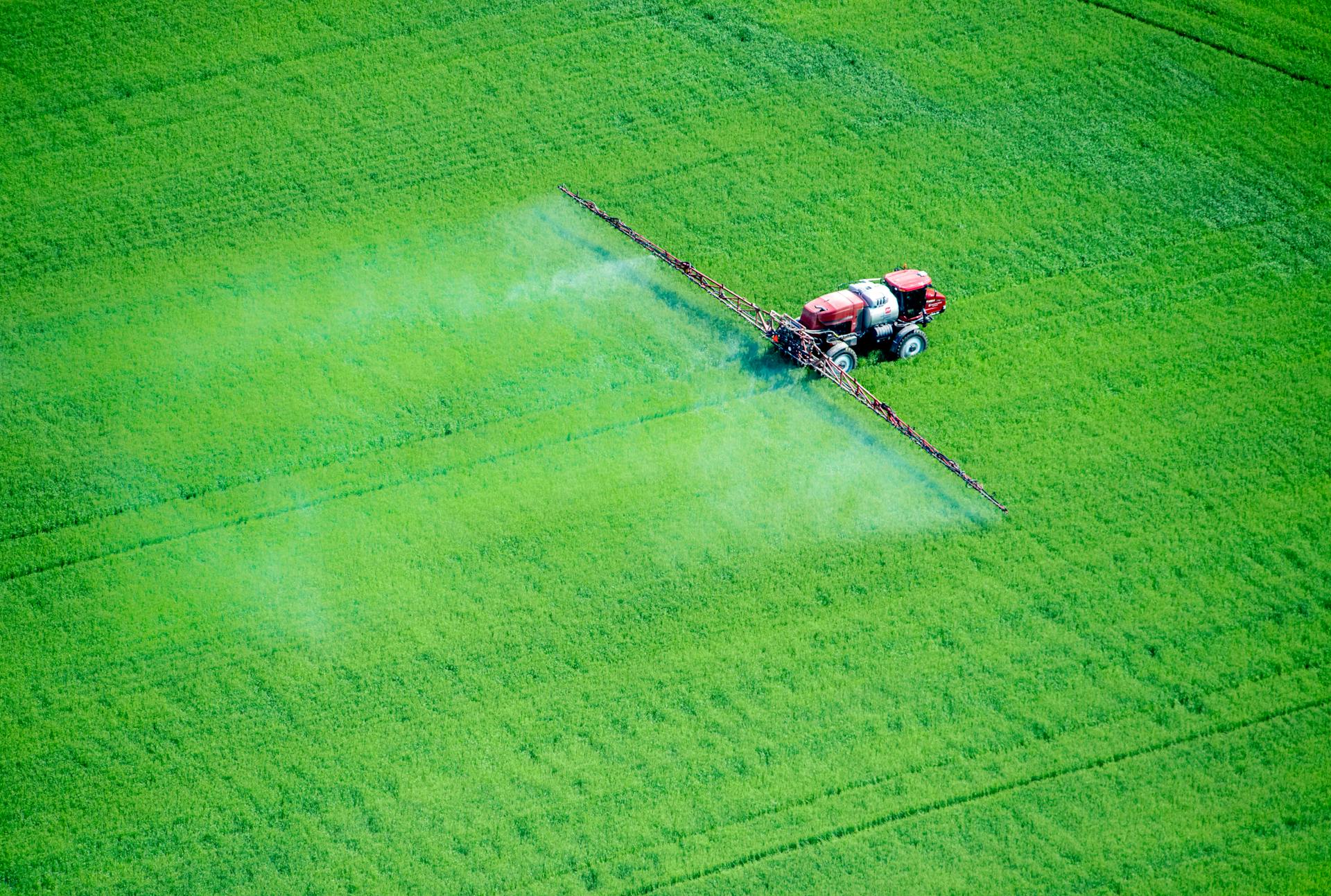 Spraying from either a ground-based vehicle or an airplane is a common method for applying pesticides. Edwin Remsburg/VW Pics via Getty Images
kAmx? `hea 6?G:C@?>6?E2= D4:6?E:DE #2496= r2CD@? AF3=:D965 “k2 9C67lQ9EEAi^^HHH]C2496=42CD@?]@C8^$:=6?E$AC:?8]2DAIQm$:=6?E $AC:?8k^2m[” 2 36DED6==:?8 3@@< E92E 2DD6CE65 E92E @G6CFD6 @7 A6DE:4:56D H2D 92C>:?8 E96 6?G:C@?>6?E 2?5 E9C62E6?:?8 9F>2? 962=E9] r2CD@? 5:5 ?@E 42== 7@C 32??:?8 ss%[ E96 >@DE H:56=J FD65 A6DE:4:56 2E E92E E:>6[ 3FE D96 2C8F65 7@C FD:?8 :E 2?5 D:>:=2C AC@5F4ED >F49 >@C6 D6=64E:G6=J 2?5 A2J:?8 2EE6?E:@? E@ E96:C 67764ED @? ?@?E2C86E65 DA64:6D]k^Am
People are also reading…
- Search for Regina Bos leads to basement of northeast Lincoln home
- Omaha priest remains hospitalized after crashing Lexus SUV
- Ricketts defends pardon of man convicted of sexually assaulting estranged wife
- How to watch Huskers vs. UCLA today
- Massive elk killed, vehicle totaled in unusual southwest Lincoln crash
- No tricks, no treats: Halloween party at Denton castle called off
- How to watch Huskers vs. USC Saturday night
- Regina Bos' sister isn't giving up after basement search turns up nothing
- UNL professor, bestselling author and Oprah fave to receive prestigious literary award
- Nebraska troopers shoot, kill homicide suspect after pursuit near David City
- Man cuts neck with glass in Lancaster County courtroom, sheriff's office says
- Rollover on Saturday claims life of 22-year-old
- Teen killed, 4 others injured in rollover near North Platte
- Two hospitalized after crash on US 77 Monday morning
- Nebraska football playoff brackets: See every first-round matchup
kAm“$:=6?E $AC:?8” :D H:56=J G:6H65 2D k2 9C67lQ9EEADi^^HHH]?JE:>6D]4@>^a_`a^_h^ab^>282K:?6^9@H\D:=6?E\DAC:?8\:8?:E65\E96\6?G:C@?>6?E2=\>@G6>6?E]9E>=Qm2? :?DA:C2E:@? 7@C E96 >@56C? 6?G:C@?>6?E2= >@G6>6?Ek^2m] %96D6 2CE:4=6D 7C@> %96 r@?G6CD2E:@?’D 2C49:G6 DA@E=:89E @?8@:?8 BF6DE:@?D 23@FE A6DE:4:56D 2?5 E96:C 67764ED]k^Am
k9am`] p82:?DE 23D@=FE6Dk^9am
kAmp=E9@F89 E96 496>:42= :?5FDECJ 2EE24<65 “$:=6?E $AC:?8” 2D k2 9C67lQ9EEADi^^HHH]A6?8F:?C2?5@>9@FD6]4@>^3@@<D^`f_ccg^@?\2\72CE96C\D9@C6\3J\H:==:2>\D@F56C^Qm2?E:\D4:6?46 2?5 2?E:\AC@8C6DDk^2m[ r2CD@? 36=:6G65 E92E 496>:42=D 925 E96:C A=246 :? 28C:4F=EFC6] $96 “72G@C65 k2 9C67lQ9EEADi^^E964@?G6CD2E:@?]4@>^H@F=5\C2496=\42CD@?\62E\@C82?:4\hchefQm2 C6DEC2:?65 FD6 @7 A6DE:4:56D[ 3FE ?@E 2 4@>A=6E6 6=:>:?2E:@?k^2m[ 2?5 5:5 ?@E @AA@D6 ;F5:4:@FD FD6 @7 >2?F724EFC65 76CE:=:K6CD[” HC:E6D w2CG2C5 &?:G6CD:EJ DFDE2:?23:=:EJ D49@=2C k2 9C67lQ9EEADi^^H47:2]92CG2C5]65F^A6@A=6^C@36CE\=\A22C=36C8Qm#@36CE !22C=36C8k^2m]k^Am
kAm%9:D 2AAC@249 AFE r2CD@? 2E @55D H:E9 E96 7=658=:?8 @C82?:4 >@G6>6?E[ H9:49 E@E2==J C6;64E65 DJ?E96E:4 A6DE:4:56D 2?5 76CE:=:K6CD] t2C=J @C82?:4 25G@42E6D 4=2:>65 r2CD@? 2D 2 DFAA@CE6C ?@?6E96=6DD[ 3FE r2CD@? <6AE E96> 2E 2C>’D =6?8E9] “%96 @C82?:4 72C>:?8 >@G6>6?E H2D DFDA64E :? r2CD@?’D 6J6D 3642FD6 >@DE @7 :ED 62C=J =6256CD H6C6 ?@E D4:6?E:DED[” !22C=36C8 @3D6CG6D]k^Am
kAm%9:D 5:G6C86?46 92D 649@6D E@52J :? 5632E6D 23@FE H96E96C @C82?:4 AC@5F4E:@? @C DE625J :>AC@G6>6?ED :? 4@?G6?E:@?2= 72C>:?8 92G6 >@C6 A@E6?E:2= E@ 7665 2 8C@H:?8 H@C=5 A@AF=2E:@?]k^Am
k9C ^m
kAmk6>mkDEC@?8m#625 >@C6i k2 9C67lQ9EEADi^^E964@?G6CD2E:@?]4@>^H@F=5\C2496=\42CD@?\62E\@C82?:4\hchefQm(@F=5 #2496= r2CD@? 62E @C82?:4nk^2mk^DEC@?8mk^6>mk^Am
k9C ^m
k9ama] r@?46C?65 4C@A5FDE6CDk^9am
kAm(6== 367@C6 “$:=6?E $AC:?8” H2D AF3=:D965[ 2 4C@A\5FDE:?8 :?5FDECJ 56G6=@A65 @? E96 vC62E !=2:?D :? E96 J62CD 27E6C (@C=5 (2C xx E@ 2AA=J ?6H=J 4@>>6C4:2=:K65 A6DE:4:56D] “r96>:42= 4@>A2?:6D >256 3C@25 AC@>:D6D 23@FE E96D6 ‘>:C24=6’ AC@5F4ED[ H:E9 =:EE=6 5:D4FDD:@? @7 C:D<D] qFE A:=@ED 2?5 D4:6?E:DED E@@< k2 9C67lQ9EEADi^^E964@?G6CD2E:@?]4@>^72C>6CD\2?5\4C@A5FDE:?8\A:=@ED\@?\E96\8C62E\A=2:?D\H@CC:65\23@FE\A6DE:4:56\C:D<D\367@C6\D:=6?E\DAC:?8\h`hfeQm2 >F49 >@C6 42FE:@FD 2AAC@249k^2m[” C64@F?ED &?:G6CD:EJ @7 }63C2D<2\z62C?6J 9:DE@C:2? k2 9C67lQ9EEADi^^D49@=2C]8@@8=6]4@>^4:E2E:@?DnFD6Clbf<3zb|ppppyU2>Aj9=l6?Qms2G:5 '2:=k^2m]k^Am
kAmpD '2:=’D C6D62C49 D9@HD[ >2?J 4C@A\5FDE:?8 A:=@ED 2?5 F?:G6CD:EJ 28C:4F=EFC2= D4:6?E:DED H6C6 H6== 2H2C6 @7 9@H =:EE=6 E96J <?6H 23@FE 9@H E96D6 ?6H E@@=D 24EF2==J H@C<65] %96J 2EE6?565 4@?76C6?46D[ 5632E65 AC24E:46D 7@C 2AA=J:?8 A6DE:4:56D 2?5 @C82?:K65 7=:89E D49@@=D E92E E2F89E 28C:4F=EFC2= D4:6?46 2=@?8 H:E9 DAC2J:?8 E649?:BF6D] (96? “$:=6?E $AC:?8” H2D AF3=:D965[ >2?J @7 E96D6 AC24E:E:@?6CD AFD965 324<[ 2C8F:?8 E92E E96J 925 56G6=@A65 DEC2E68:6D 7@C >2?28:?8 A6DE:4:56 C:D<D]k^Am
Archival footage of crop-dusters spraying in California in the 1950s.
kAm%@52J 26C:2= DAC2J:?8 :D DE:== AC24E:465 @? E96 vC62E !=2:?D[ 3FE :E’D 2=D@ 4=62C E92E :?D64ED 2?5 H665D C2A:5=J 6G@=G6 C6D:DE2?46 E@ 6G6CJ ?6H 86?6C2E:@? @7 A6DE:4:56D[ EC2AA:?8 72C>6CD @? H92E '2:= 42==D “2 496>:42=\A6DE EC625>:==]” r2CD@? 2?E:4:A2E65 E9:D 67764E :? “$:=6?E $AC:?8[” 2?5 42==65 7@C >@C6 C6D62C49 :?E@ 2=E6C?2E:G6 A6DE 4@?EC@= >6E9@5D – 2? 2AAC@249 E92E k2 9C67lQ9EEADi^^HHH]FD52]8@G^@46^A6DE^:?E68C2E65\A6DE\>2?286>6?EQm92D 364@>6 >2:?DEC62> E@52Jk^2m]k^Am
k9C ^m
kAmk6>mkDEC@?8m#625 >@C6i k2 9C67lQ9EEADi^^E964@?G6CD2E:@?]4@>^72C>6CD\2?5\4C@A5FDE:?8\A:=@ED\@?\E96\8C62E\A=2:?D\H@CC:65\23@FE\A6DE:4:56\C:D<D\367@C6\D:=6?E\DAC:?8\h`hfeQmu2C>6CD 2?5 4C@A5FDE:?8 A:=@ED @? E96 vC62E !=2:?D H@CC:65 23@FE A6DE:4:56 C:D<D 367@C6 V$:=6?E $AC:?8Vk^2mk^DEC@?8mk^6>mk^Am
k9C ^m
k9amb] %96 @DAC6J’D 4C2D9 2?5 C64@G6CJk^9am
kAmx? “$:=6?E $AC:?8[” r2CD@? 56D4C:365 :? 56E2:= 9@H 49=@C:?2E65 9J5C@42C3@? A6DE:4:56D A6CD:DE65 :? E96 6?G:C@?>6?E =@?8 27E6C E96J H6C6 DAC2J65[ C:D:?8 E9C@F89 E96 7@@5 492:? 2?5 3F:=5:?8 FA :? E96 3@5:6D @7 AC652E@CD] !@AF=2E:@?D @7 7:D9\62E:?8 k2 9C67lQ9EEADi^^C2AE@C]F>?]65F^23@FE\C2AE@CD^=62C?\23@FE\C2AE@CDQmC2AE@CDk^2m[ DF49 2D 32=5 628=6D 2?5 @DAC6JD[ H6C6 C2G2865 3J E96D6 496>:42=D[ H9:49 E9:??65 E96 D96==D @7 E96 3:C5D’ 688D D@ E92E E96J 3C@<6 :? E96 ?6DE 367@C6 E96J 4@F=5 92E49]k^Am
kAm“&A E@ `hd_[ @DAC6JD H6C6 @?6 @7 E96 >@DE H:56DAC625 2?5 23F?52?E 92H<D :? }@CE9 p>6C:42[” HC:E6D r@C?6== &?:G6CD:EJ C6D62C49 2DD@4:2E6 k2 9C67lQ9EEADi^^24256>J]2==23@FE3:C5D]@C8^A6CD@?^2=2?\A@@=6^Qmp=2? !@@=6k^2m] “qJ E96 >:5\`he_D[ E96 ?F>36C @7 @DAC6JD 3C665:?8 2=@?8 E96 pE=2?E:4 4@2DE 36EH66? }6H *@C< r:EJ 2?5 q@DE@? k2 9C67lQ9EEADi^^E964@?G6CD2E:@?]4@>^@DAC6JD\C64@G6CJ\7C@>\A@==FE:@?\2?5\D9@@E:?8\:D\2\8=@32=\4@?D6CG2E:@?\DF446DD\DE@CJ\```h_fQm925 72==6? 3J h_Tk^2m]”k^Am
kAmq2?D @? ss% 2?5 @E96C 9:89=J A6CD:DE6?E A6DE:4:56D @A6?65 E96 5@@C E@ C64@G6CJ] qFE 3J E96 `hf_D[ >2?J 7@C>6C @DAC6J ?6DE:?8 D:E6D 925 366? 56G6=@A65] %@ 4@>A6?D2E6[ 4@?46C?65 ?2EFC2=:DED 3F:=E ?6DE:?8 A@=6D 2=@?8 D9@C6=:?6D] ~DAC6JD 2=D@ =62C?65 E@ 4@=@?:K6 =:89E A@DED[ 46== E@H6CD 2?5 @E96C 9F>2?\>256 DECF4EFC6D]k^Am
Wildlife monitors band young ospreys in New York City’s Jamaica Bay to monitor their lives and movements.
kAm%@52J[ “p=@?8 E96 D9@C6D @7 E96 r96D2A62<6 q2J[ ?62C=J a_[___ @DAC6JD ?@H 2CC:G6 E@ ?6DE 6249 DAC:?8 – E96 =2C86DE 4@?46?EC2E:@? @7 3C665:?8 A2:CD :? E96 H@C=5] %H@\E9:C5D @7 E96> ?6DE @? 3F@JD 2?5 492??6= >2C<6CD >2:?E2:?65 3J E96 &]$] r@2DE vF2C5[ H9@ 92G6 364@>6 56 724E@ @DAC6J 8F2C5:2?D[” HC:E6D !@@=6] “%@ 92G6 C@3FDE ?F>36CD @7 E9:D DA64:6D 324< 282:? :D 2 C6H2C5 7@C 2== H9@ G2=F6 H:=5 2?:>2=D[ 2?5 2 C6>:?56C @7 9@H ?2EFC6 42? C63@F?5 :7 H6 255C6DD E96 <6J E9C62ED]”k^Am
k9C ^m
kAmk6>mkDEC@?8m#625 >@C6i k2 9C67lQ9EEADi^^E964@?G6CD2E:@?]4@>^@DAC6JD\C64@G6CJ\7C@>\A@==FE:@?\2?5\D9@@E:?8\:D\2\8=@32=\4@?D6CG2E:@?\DF446DD\DE@CJ\```h_fQm~DAC6JDV C64@G6CJ 7C@> A@==FE:@? 2?5 D9@@E:?8 :D 2 8=@32= 4@?D6CG2E:@? DF446DD DE@CJk^2mk^DEC@?8mk^6>mk^Am
k9C ^m
k9amc] }6H 4@?46C?Dk^9am
kAm!6DE:4:56 2AA=:42E:@? E649?:BF6D 92G6 364@>6 >F49 >@C6 E2C86E65 :? E96 e_ J62CD D:?46 “$:=6?E $AC:?8” H2D AF3=:D965] ~?6 AC@>:?6?E 6I2>A=6i 4C@A D665D 4@2E65 H:E9 ?6@?:4@E:?@:5D[ E96 H@C=5’D >@DE H:56=J FD65 4=2DD @7 :?D64E:4:56D] r@2E:?8 E96 D665D >2<6D :E A@DD:3=6 E@ :?EC@5F46 A6DE:4:56D :?E@ E96 6?G:C@?>6?E 2E E96 A@:?E H96C6 E96J 2C6 ?66565[ H:E9@FE DAC2J:?8 2 5C@A]k^Am
kAmqFE 2 8C@H:?8 3@5J @7 C6D62C49 :?5:42E6D E92E 6G6? E9@F89 4@2E65 D665D 2C6 9:89=J E2C86E65[ >F49 @7 E96:C A6DE:4:56 =@25 H2D96D @77 :?E@ ?62C3J DEC62>D 2?5 =2<6D] “$EF5:6D D9@H E92E ?6@?:4@E:?@:5D 2C6 k2 9C67lQ9EEADi^^E964@?G6CD2E:@?]4@>^72C>6CD\2C6\@G6CFD:?8\:?D64E:4:56\4@2E65\D665D\H:E9\>@F?E:?8\92C>7F=\67764ED\@?\?2EFC6\`fe`_hQmA@:D@?:?8 2?5 <:==:?8 2BF2E:4 :?G6CE63C2E6Dk^2m E92E 2C6 G:E2= 7@@5 D@FC46D 7@C 7:D9[ 3:C5D 2?5 @E96C H:=5=:76[” HC:E6D !6?? $E2E6 6?E@>@=@8:DE k2 9C67lQ9EEADi^^D49@=2C]8@@8=6]4@>^4:E2E:@?DnFD6Clpp5+|`&ppppyU2>Aj9=l6?Qmy@9? %@@<6Ck^2m]k^Am
k3=@4<BF@E6 4=2DDlQEH:EE6C\EH66EQmkA =2?8lQ6?Q 5:ClQ=ECQmt!p s64:D:@? |2:?E2:?D s2?86C@FD #68F=2E@CJ {@@A9@=6 7@C !6DE:4:56\r@2E65 $665D k2 9C67lQ9EEADi^^E]4@^KG+t{@5bCDQm9EEADi^^E]4@^KG+t{@5bCDk^2mk^AmU>52D9j t?52?86C65 $A64:6D r@2=:E:@? Wo6?52?86C65X k2 9C67lQ9EEADi^^EH:EE6C]4@>^6?52?86C65^DE2EFD^`dffegaea`afg_gd`a`nC670DC4lEHDC4TdtE7HQm~4E@36C d[ a_aak^2mk^3=@4<BF@E6m
kAmx? >F=E:A=6 DEF5:6D[ %@@<6C 2?5 4@==628F6D 92G6 7@F?5 E92E FD:?8 4@2E65 D665D C65F46D A@AF=2E:@?D @7 36?67:4:2= :?D64ED E92E AC6J @? 4C@A\56DEC@J:?8 A6DED =:<6 D=F8D]k^Am
kAm“pD x D66 :E[ ?6@?:4@E:?@:5D 42? AC@G:56 8@@5 G2=F6 :? 4@?EC@==:?8 4C:E:42= A6DE DA64:6D[ A2CE:4F=2C=J :? G686E23=6 2?5 7CF:E AC@5F4E:@?[ 2?5 >2?28:?8 :?G2D:G6 DA64:6D =:<6 E96 DA@EE65 =2?E6C?7=J] w@H6G6C[ x 36=:6G6 E96 E:>6 92D 4@>6 E@ C6:? :? E96:C FD6 2D D665 4@2E:?8D :? 7:6=5 4C@AD =:<6 4@C? 2?5 D@J362?D[ H96C6 E96J 2C6 AC@G:5:?8 =:EE=6 36?67:E 2?5 H96C6 E96 D42=6 @7 E96:C FD6 :D 42FD:?8 E96 >@DE 4C:E:42= 6?G:C@?>6?E2= AC@3=6>D[” %@@<6C HC:E6D]k^Am
k9C ^m
kAmk6>mkDEC@?8m#625 >@C6i k2 9C67lQ9EEADi^^E964@?G6CD2E:@?]4@>^72C>6CD\2C6\@G6CFD:?8\:?D64E:4:56\4@2E65\D665D\H:E9\>@F?E:?8\92C>7F=\67764ED\@?\?2EFC6\`fe`_hQmu2C>6CD 2C6 @G6CFD:?8 :?D64E:4:56\4@2E65 D665D[ H:E9 >@F?E:?8 92C>7F= 67764ED @? ?2EFC6k^2mk^DEC@?8mk^6>mk^Am
k9C ^m
kAmk6>m%9:D DE@CJ :D 2 C@F?5FA @7 2CE:4=6D 7C@> %96 r@?G6CD2E:@?’D 2C49:G6]k^6>mk^Am
kAmk6>m000k^6>mk:>8 DC4lQ9EEADi^^4@F?E6C]E964@?G6CD2E:@?]4@>^4@?E6?E^`haaba^4@F?E]8:7Q 2=ElQ%96 r@?G6CD2E:@?Q H:5E9lQ`Q 96:89ElQ`Q ^mk^Am
30 green jobs that can help fight climate change
Administrative support
Administrative support is a crucial, albeit often thankless, role in any industry. As climate change and sustainability become higher priorities in both the private and public sectors in the coming years, the roles of many administrative workers may change from traditional clerical duties to include more work with large-scale environmental data, communication, and grassroots organizing.
brizmaker // Shuttestock
Brownfield restoration
The Environmental Protection Agency (EPA) defines a brownfield as a property, once used for commercial or industrial purposes, which cannot easily be expanded, developed, or reused due to pollutants or other hazardous substances.
There are over 450,000 such properties in the U.S., ranging from large former factory sites to smaller abandoned gas stations. The EPA’s Brownfields Program started in 1995; it aims to help property owners and other stakeholders safely assess, clean, and redevelop their brownfields in a sustainable manner. This program has fostered the revitalization of more than 7,000 properties since its inception and has supported almost 150,000 administrative roles and manual labor jobs.
Dnpatton // Wikimedia Commons
Building rehabilitation, remediation, and hardening
Building rehabilitation, remediation, and hardening involve the preservation of old buildings to bring them up to modern health and sustainability standards. This may include removing dangerous substances that were used in previous construction efforts, such as asbestos, chlordane, lead, and polychlorinated biphenyls (or PCBs), organic compounds that cause a wide range of health problems in animals and humans.
Similar to building electrification, this job may require people with different levels of education or specialized expertise, from environmental specialists (who need at least a bachelor’s degree) to construction laborers.
NPS Photo
Communications
For humanity to turn things around and protect the planet from the impending dangers of climate change, we must first collectively get on the same page about what those dangers entail.
To that end, science communicators have a key role in helping members of the public, from lawmakers to ordinary voters, understand how their communities are impacted by climate change and what they can do to help. Science communicators may start with a background in science, communication, or a combination of the two, and may work as journalists, for government agencies, or in other multimedia roles.
You may also like: 15 basic physics concepts to help you understand our world
AMISOM Public Information // Wikimedia Commons
Community education
Similar to science communicators, community educators help fight climate change by providing people with the necessary knowledge and skills to get active in their own backyards. Community educators may work with schools, government agencies, activist groups, and other local institutions to lead workshops and other types of training events.
The Bureau of Labor Statistics predicts that job opportunities for this occupation, which usually require a bachelor’s degree, will grow by 18% from 2016 to 2026—much faster than the average.
Lorie Shaull // Wikimedia Commons
Disaster preparedness training
One inescapable impact of climate change is its effect on extreme weather: A March 2019 study by Carbon Brief suggests that 68% of all extreme weather events investigated to date, including heatwaves, droughts, and hurricanes, have been made more likely or more severe by human-caused climate change.
The field of emergency preparation must then grow in kind, to help the government and other public safety workers respond to emergencies as quickly and effectively as possible. And disaster preparedness doesn’t just apply to weather, either—climate change is also tied to more long-lasting natural disasters, such as disease epidemics, which can spread much more rapidly in our increasingly globalized world.
[Pictured: Firefighters train ahead of wildfire season.]
Justin Sullivan // Getty Images
Electric vehicle and biofuel integration
Electric cars and hybrids are becoming increasingly affordable: While Tesla’s first electric car, the Roadster, cost over $100,000 at its release in 2008, consumers may now purchase a Hyundai, Chevrolet, or Volkswagen model for a third of that price. Electric cars reduce pollution, save their owners money, and may now be charged at home or on the road. The automobile industry is also shifting to develop and rely on biofuels, or fuels made out of sustainable plant and animal materials, which cut down our reliance on oil.
[Pictured: National Renewable Energy Laboratory engineers work in electric vehicle supply equipment.]
U.S. Department of Energy // Wikimedia Commons
Energy auditing
Energy auditing, similar to its financial counterpart, involves the official inspection and assessment of the energy that specific homes or other buildings are using. Professional energy auditors may conduct such an inspection by examining each room of a building, using equipment such as blower doors (to measure how airtight different rooms are) and infrared cameras (to detect hot and cold areas around doors, windows, and walls).
The U.S. Department of Energy recommends that homeowners conduct an energy audit before making energy-saving home improvements, such as installing solar panels or changing heating systems.
[Pictured: FirstEnergy Launches Grid Modernization Program in Pennsylvania.]
FirstEnergy Corp. // Flickr
Energy storage technology
The U.S. electricity grid has the overall capacity to store about 23 gigawatts of energy: approximately the capacity of 38 typical coal plants, according to the Union of Concerned Scientists. This storage, which primarily relies on nuclear power, is currently serving us well: At night, when demand for electricity is low, the energy from nuclear power plants is built up and stored for high-demand hours the next day.
However, renewable energy sources such as solar and wind power produce energy at more variable rates; as a result, if our energy reliance shifts further toward these methods, expert engineers will need to increase our storage capacity. New energy storage methods currently under development include thermal storage, compressed air, and large-scale batteries.
You may also like: Can you answer these real 'Jeopardy!' questions about space?
Davis Dekunder // JBSA
Grid modernization and resilience
Just as U.S. energy storage technology needs to be updated to serve the needs of renewable energy sources, our national power grid will need to be updated so that energy can be efficiently and reliably distributed around the country. Although many of the technical aspects of grid modernization will fall on electrical engineers, this industry also has opportunities for people interested in communications and marketing.
U.S. Air Force photo by Senior Airman Larry E. Reid Jr.
Invasive and exotic species removal
In ecology, the term “invasive” refers to an animal or plant species introduced to a region outside of its home range and has become a threat to naturally occurring wildlife or agricultural production in that new area.
In the U.S., particularly invasive species include the Chinese privet, a shrub that now dominates more than 1 million hectares of land across the southern U.S., and Burmese pythons, which threaten the birds, mammals, and even crocodiles in Florida. Wildlife experts in the National Parks Service and private organizations are coming up with increasingly creative measures to control the spread of invasive species; in New York City, for example, goat populations have been established in city parks to dispose of invasive plants.
USFWS Mountain-Prairie // Flickr
Landfill upgrades and methane capture
Landfills full of municipal solid waste are the third-largest source of human-related methane emissions in the U.S., according to the EPA. This methane doesn’t need to float up into the atmosphere as a dangerous greenhouse gas, though—a landfill gas treatment system installed over the trash site can clean and process the methane, allowing it to be reused as vehicle fuel or to produce electricity. As of February 2019, EPA engineers had helped transform more than 600 landfills with these eco-friendly treatment systems.
[Pictured: The DMax plant can process many materials and reduces waste to landfill volumes.]
CDE Global // Flickr
Mass transport electrification
Just as buildings can be made more sustainable when they rely on electric power, so too can public transportation. Major cities around the world are electrifying their public transportation systems: For example, every five weeks, 9,500 electric buses are deployed in China, helping to combat the country's problem with urban air pollution.
In addition to sustainability benefits, electric buses are more comfortable, as they generate less noise and vibrations than diesel buses. The U.S. is due to follow this trend as well; Bloomberg predicts 84% of the entire world's buses will be electric by 2030.
Pexels
Mass transport maintenance
Repairing buses or performing maintenance on the subway may seem like a mundane job, but it is in fact vital to helping millions of Americans live more sustainable lifestyles.
Riding a subway system such as San Francisco’s BART to work emits about three times less carbon dioxide per mile than driving a standard sedan. Thus, everyone from the city planners who develop new subway lines to the drivers who remind you to ‘stand clear of the closing doors, please’ plays a role in reducing overall greenhouse gas emissions for urban communities.
You may also like: The only 7 countries that are on track to meet the Paris Agreement—and how they're doing it
Metropolitan Transportation Authority of the State of New York // Flickr
Open and recreational space creation
Green spaces such as parks and community gardens can combat the effects of climate change: Trees, grasses, and other vegetation clean carbon dioxide from the air and add nutrients to the soil, preventing runoff.
In cities, shaded areas and bodies of water in parks can help keep the air cool. And green spaces have been linked to a variety of health benefits, including better cardiovascular health, mental health, and opportunities for social contact. As a result, many American cities are developing new green spaces and improving upon old ones.
[Pictured: New York City Housing Authority gardens in Brooklyn.]
U.S. Department of Agriculture // Flickr
Pest management
Pest control workers typically require a high school diploma and on-the-job training. Controlling the spread of locusts, beetles, rootworms, and other insects is becoming vitally important to agricultural production as rising temperatures enable these pests in reproducing more rapidly and widening their ranges. Agricultural scientists recommend that farmers and farm policy specialists look into new pest management strategies and new, more resilient genetically modified crops.
[Pictured: California Cotton Pest Control Board Chair Ted Sheely, in Lemoore, 2018.]
U.S. Department of Agriculture // Flickr
Public green space maintenance
Public green space maintenance includes everything from botanist surveys of all the plants in New York City to snowplows clearing the paths of Central Park after a blizzard. Some of these maintenance jobs are entry-level, while others require specialized training in areas such as plumbing and horticulture. In addition, green space maintenance can be permanent or flexible: The National Parks Service offers seasonal park ranger opportunities for those who want to spend a summer in nature.
University of Fraser Valley // Flickr
Renewable energy systems installation: solar, wind, and geothermal
Rep. Alexandria Ocasio-Cortez and Sen. Ed Markey’s proposed Green New Deal called for all energy consumption to come from “clean, renewable, and zero-emission” sources by 2030; other politicians have proposed similar legislation. It is safe to say that engineers and technicians with expertise in solar panel installation, wind turbines, and geothermal energy will soon be in high demand. Jobs in solar energy, for example, grew by 159% from 2010 to 2018, according to the National Solar Foundation.
[Pictured: EnXco tag line crew member hoists a propeller up to the top of the windmill in Palm Springs, California.]
You may also like: 54 American cities with dangerous ozone conditions
ROBYN BECK/AFP // Getty Images
Resilient road construction
As climate change increases the frequency and severity of severe weather events, both highways and local roadways are more at risk of damage.
A week of severe rain and flooding in Colorado in September 2013, for example, destroyed or damaged nearly 500 miles of public roads, costing more than $500 million in damages. As a result, local governments are concerned with rebuilding old roads and constructing new roads to be more stable in the face of disaster; such construction involves collaboration between government officials, other landowners, engineers, hydrologists, and construction workers.
[Pictured: Construction workers build along State Road 836 in Miami, Florida.]
Joe Raedle // Getty Images
Sewer and water main upgrades
Extreme weather events such as severe rainstorms don’t only damage roads; they also cause sewer systems to overflow, releasing millions of gallons of untreated sewage water into homes and businesses.
For instance, 681 million gallons of sewage were released in April 2015 in Milwaukee after only three days of rain. In order to prepare for such flooding, some cities are employing engineers and hydrologists to design more resilient sewer systems. New York City in January 2019 invested $28 million in a new project to install new storm sewers, sanitary sewers, water mains, catch basins, and wetland protection systems on Staten Island.
[Pictured: A work crew attempts to repair the road and clear drains in Ellicott City, Maryland, 2018.]
Alex Edelman // Getty Images
Soil health testing and remediation
We usually think of the atmosphere as the primary source of carbon on Earth, but that’s a myth: The Earth’s soils contain two to three times more of this vital element. Yet one-third of these soils have been damaged by poor farming practices, industry, and urbanization.
Testing the health of and putting carbon back into our soils is thus a key strategy for revitalizing the planet, Dr. Cornelia Rumpel of the French National Centre for Scientific Research and several colleagues argued in a December 2018 Nature article. These scientists suggest protecting peatlands (which have high soil carbon), promoting carbon intake in soils through better farming strategies, and monitoring soils more closely year-round.
U.S. Department of Agriculture // Flickr
Stormwater management
Upgrading and maintaining city-wide sewers is not the only task involved in keeping polluted water from seeping into streets and soils. In fact, the environmental consulting firm EEC Environmental recommends every homeowner takes time to investigate where rainwater and stormwater flow on their property in order to make construction or landscaping adjustments to reduce runoff and protect their land. Environmental consultants, as well as developers and contractors, may be involved in this work.
Aaron Volkening // Flickr
Sustainable agriculture and soil restoration
The Great Plains in the 1930s—after about a decade of intense, mechanized farming techniques—was struck by an intense period of drought, crop failure, and economic depression known as the Dust Bowl, which stands as one of the worst ecological disasters in human history.
Today, many farmers and agricultural scientists work to ensure a disaster like the Dust Bowl never happens again through more sustainable farming practices. These sustainable techniques include growing multiple crops in the same area to increase soil nutrients, planting cover crops (like clover and hairy vetch) during the off-season, and integrating livestock with crops to create more ecologically natural environments for plants and animals.
You may also like: Rare animals featured in 'Planet Earth,' 'Our Planet,' and other nature documentaries
Pixnio
Tree-planting
Tree planting is perhaps the job on this list that requires the least amount of expertise: Anyone can buy a sapling, plant it in their backyard, and help it grow. But this small task, if multiplied on a grand scale, can transform urban and rural neighborhoods alike, as trees filter pollutants from the air, provide habitats and food for other plants and animals, and even save energy by insulating buildings.
Some cities are mobilizing their citizens to plant and take care of trees in their neighborhoods: In 2016, New York City completed its initiative to plant 1 million trees across the city.
Alex Indigo // Flickr
Waste removal and recycling
Recycling has become fairly ubiquitous in American culture: Many people are used to separating out paper from plastic and checking for little triangular symbols on the bottoms of containers. In 2018, the U.S. recycled and composted a total of 94 million tons of municipal solid waste, according to the EPA: That’s a lot of job opportunities—collecting, sorting, processing, and recycling 94 million tons of waste is no easy feat, especially after China stopped importing several key American recyclables.
[Pictured: Trucks deliver trash and recycling waste at the Fort Totten Transfer Station in Washington D.C.]
IVAN COURANNE/AFP // Getty Images
Water and wastewater treatment
Communities from Flint, Michigan, to Pittsburgh to Brady, Texas, have been exposed to hazardous compounds in their tap water, many of which enter water systems through accidental chemical spills, sewage runoff, and atmospheric deposition. Scientists, engineers, and machinery operators alike play roles in addressing these water quality issue. A high school diploma is usually required to become a water and wastewater treatment plant and system operator.
[Pictured: Kingsland Wildflowers Green Roof with Newtown Creek Wastewater Treatment Plant, New York.]
Shuo Yan // Wikimedia Commons
Weatherization and energy efficiency improvements
Weatherization is a common practice in modern construction; the term refers to a variety of home improvements that protect buildings from sunlight, precipitation, and wind. After performing an energy audit, you can hire an expert or engage in some do-it-yourself remodeling to weatherize your home through reducing air leaks, controlling moisture, regulating ventilation, and other techniques.
U.S. Department of Enrgy // Flickr
Wetland restoration
You’ve likely been to a wetland, even if you don't know it: This category includes marshes, mudflats, swamps, river basins, and bogs—basically any land area that's covered by water for most of the year. Many wetlands are priority areas for conservation because they act as natural buffers, absorbing floodwater from tropical storms and hurricanes.
American wetlands are also home to many endangered plants and animals, such as the bald eagle, whooping crane, and swamp rose. Ecologists, environmental scientists, parks workers, and environmental policy experts are all involved in studying and protecting America's wetlands.
You may also like: Can you solve these real 'Jeopardy!' clues about the Earth?
USDA NRCS Texas // Flickr
Administrative support
Administrative support is a crucial, albeit often thankless, role in any industry. As climate change and sustainability become higher priorities in both the private and public sectors in the coming years, the roles of many administrative workers may change from traditional clerical duties to include more work with large-scale environmental data, communication, and grassroots organizing.
brizmaker // Shuttestock
Brownfield restoration
The Environmental Protection Agency (EPA) defines a brownfield as a property, once used for commercial or industrial purposes, which cannot easily be expanded, developed, or reused due to pollutants or other hazardous substances.
There are over 450,000 such properties in the U.S., ranging from large former factory sites to smaller abandoned gas stations. The EPA’s Brownfields Program started in 1995; it aims to help property owners and other stakeholders safely assess, clean, and redevelop their brownfields in a sustainable manner. This program has fostered the revitalization of more than 7,000 properties since its inception and has supported almost 150,000 administrative roles and manual labor jobs.
Dnpatton // Wikimedia Commons
Building electrification
One way to reduce American reliance on fossil fuels is by building electrification. Workers are brought in to construct new buildings and convert old ones to be entirely reliant on electric sources, such as electric air source heat pumps and heat pump water heaters, which conserve energy and may increasingly be powered by renewable sources.
Several local governments across the country, including Marin County and Palo Alto in California, have updated their building ordinances to require electric power for new buildings. Such electrification requires electrical engineers, architects, and construction workers alike to gain expertise in sustainable heating technology.
USCapitol // Flickr
Building rehabilitation, remediation, and hardening
Building rehabilitation, remediation, and hardening involve the preservation of old buildings to bring them up to modern health and sustainability standards. This may include removing dangerous substances that were used in previous construction efforts, such as asbestos, chlordane, lead, and polychlorinated biphenyls (or PCBs), organic compounds that cause a wide range of health problems in animals and humans.
Similar to building electrification, this job may require people with different levels of education or specialized expertise, from environmental specialists (who need at least a bachelor’s degree) to construction laborers.
NPS Photo
Communications
For humanity to turn things around and protect the planet from the impending dangers of climate change, we must first collectively get on the same page about what those dangers entail.
To that end, science communicators have a key role in helping members of the public, from lawmakers to ordinary voters, understand how their communities are impacted by climate change and what they can do to help. Science communicators may start with a background in science, communication, or a combination of the two, and may work as journalists, for government agencies, or in other multimedia roles.
You may also like: 15 basic physics concepts to help you understand our world
AMISOM Public Information // Wikimedia Commons
Community education
Similar to science communicators, community educators help fight climate change by providing people with the necessary knowledge and skills to get active in their own backyards. Community educators may work with schools, government agencies, activist groups, and other local institutions to lead workshops and other types of training events.
The Bureau of Labor Statistics predicts that job opportunities for this occupation, which usually require a bachelor’s degree, will grow by 18% from 2016 to 2026—much faster than the average.
Lorie Shaull // Wikimedia Commons
Disaster preparedness training
One inescapable impact of climate change is its effect on extreme weather: A March 2019 study by Carbon Brief suggests that 68% of all extreme weather events investigated to date, including heatwaves, droughts, and hurricanes, have been made more likely or more severe by human-caused climate change.
The field of emergency preparation must then grow in kind, to help the government and other public safety workers respond to emergencies as quickly and effectively as possible. And disaster preparedness doesn’t just apply to weather, either—climate change is also tied to more long-lasting natural disasters, such as disease epidemics, which can spread much more rapidly in our increasingly globalized world.
[Pictured: Firefighters train ahead of wildfire season.]
Justin Sullivan // Getty Images
Electric vehicle and biofuel integration
Electric cars and hybrids are becoming increasingly affordable: While Tesla’s first electric car, the Roadster, cost over $100,000 at its release in 2008, consumers may now purchase a Hyundai, Chevrolet, or Volkswagen model for a third of that price. Electric cars reduce pollution, save their owners money, and may now be charged at home or on the road. The automobile industry is also shifting to develop and rely on biofuels, or fuels made out of sustainable plant and animal materials, which cut down our reliance on oil.
[Pictured: National Renewable Energy Laboratory engineers work in electric vehicle supply equipment.]
U.S. Department of Energy // Wikimedia Commons
Energy auditing
Energy auditing, similar to its financial counterpart, involves the official inspection and assessment of the energy that specific homes or other buildings are using. Professional energy auditors may conduct such an inspection by examining each room of a building, using equipment such as blower doors (to measure how airtight different rooms are) and infrared cameras (to detect hot and cold areas around doors, windows, and walls).
The U.S. Department of Energy recommends that homeowners conduct an energy audit before making energy-saving home improvements, such as installing solar panels or changing heating systems.
[Pictured: FirstEnergy Launches Grid Modernization Program in Pennsylvania.]
FirstEnergy Corp. // Flickr
Energy storage technology
The U.S. electricity grid has the overall capacity to store about 23 gigawatts of energy: approximately the capacity of 38 typical coal plants, according to the Union of Concerned Scientists. This storage, which primarily relies on nuclear power, is currently serving us well: At night, when demand for electricity is low, the energy from nuclear power plants is built up and stored for high-demand hours the next day.
However, renewable energy sources such as solar and wind power produce energy at more variable rates; as a result, if our energy reliance shifts further toward these methods, expert engineers will need to increase our storage capacity. New energy storage methods currently under development include thermal storage, compressed air, and large-scale batteries.
You may also like: Can you answer these real 'Jeopardy!' questions about space?
Davis Dekunder // JBSA
Grid modernization and resilience
Just as U.S. energy storage technology needs to be updated to serve the needs of renewable energy sources, our national power grid will need to be updated so that energy can be efficiently and reliably distributed around the country. Although many of the technical aspects of grid modernization will fall on electrical engineers, this industry also has opportunities for people interested in communications and marketing.
U.S. Air Force photo by Senior Airman Larry E. Reid Jr.
Landfill upgrades and methane capture
Landfills full of municipal solid waste are the third-largest source of human-related methane emissions in the U.S., according to the EPA. This methane doesn’t need to float up into the atmosphere as a dangerous greenhouse gas, though—a landfill gas treatment system installed over the trash site can clean and process the methane, allowing it to be reused as vehicle fuel or to produce electricity. As of February 2019, EPA engineers had helped transform more than 600 landfills with these eco-friendly treatment systems.
[Pictured: The DMax plant can process many materials and reduces waste to landfill volumes.]
CDE Global // Flickr
Mass transport electrification
Just as buildings can be made more sustainable when they rely on electric power, so too can public transportation. Major cities around the world are electrifying their public transportation systems: For example, every five weeks, 9,500 electric buses are deployed in China, helping to combat the country's problem with urban air pollution.
In addition to sustainability benefits, electric buses are more comfortable, as they generate less noise and vibrations than diesel buses. The U.S. is due to follow this trend as well; Bloomberg predicts 84% of the entire world's buses will be electric by 2030.
Pexels
Mass transport maintenance
Repairing buses or performing maintenance on the subway may seem like a mundane job, but it is in fact vital to helping millions of Americans live more sustainable lifestyles.
Riding a subway system such as San Francisco’s BART to work emits about three times less carbon dioxide per mile than driving a standard sedan. Thus, everyone from the city planners who develop new subway lines to the drivers who remind you to ‘stand clear of the closing doors, please’ plays a role in reducing overall greenhouse gas emissions for urban communities.
You may also like: The only 7 countries that are on track to meet the Paris Agreement—and how they're doing it
Metropolitan Transportation Authority of the State of New York // Flickr
Open and recreational space creation
Green spaces such as parks and community gardens can combat the effects of climate change: Trees, grasses, and other vegetation clean carbon dioxide from the air and add nutrients to the soil, preventing runoff.
In cities, shaded areas and bodies of water in parks can help keep the air cool. And green spaces have been linked to a variety of health benefits, including better cardiovascular health, mental health, and opportunities for social contact. As a result, many American cities are developing new green spaces and improving upon old ones.
[Pictured: New York City Housing Authority gardens in Brooklyn.]
U.S. Department of Agriculture // Flickr
Pedestrian and bike lane construction
Taking public transportation is a great method to reduce your carbon footprint if it’s available—walking or biking to work is even better.
The city planners, local government workers, and construction workers who develop new pedestrian and bike lanes help Americans save gas and money: In one cost-benefit analysis, researchers found that planned investments in bike lanes in Portland, Oregon, could save the city’s residents more than $500 million in health care costs.
Jim.henderson // Wikimedia Commons
Pest management
Pest control workers typically require a high school diploma and on-the-job training. Controlling the spread of locusts, beetles, rootworms, and other insects is becoming vitally important to agricultural production as rising temperatures enable these pests in reproducing more rapidly and widening their ranges. Agricultural scientists recommend that farmers and farm policy specialists look into new pest management strategies and new, more resilient genetically modified crops.
[Pictured: California Cotton Pest Control Board Chair Ted Sheely, in Lemoore, 2018.]
U.S. Department of Agriculture // Flickr
Public green space maintenance
Public green space maintenance includes everything from botanist surveys of all the plants in New York City to snowplows clearing the paths of Central Park after a blizzard. Some of these maintenance jobs are entry-level, while others require specialized training in areas such as plumbing and horticulture. In addition, green space maintenance can be permanent or flexible: The National Parks Service offers seasonal park ranger opportunities for those who want to spend a summer in nature.
University of Fraser Valley // Flickr
Renewable energy systems installation: solar, wind, and geothermal
Rep. Alexandria Ocasio-Cortez and Sen. Ed Markey’s proposed Green New Deal called for all energy consumption to come from “clean, renewable, and zero-emission” sources by 2030; other politicians have proposed similar legislation. It is safe to say that engineers and technicians with expertise in solar panel installation, wind turbines, and geothermal energy will soon be in high demand. Jobs in solar energy, for example, grew by 159% from 2010 to 2018, according to the National Solar Foundation.
[Pictured: EnXco tag line crew member hoists a propeller up to the top of the windmill in Palm Springs, California.]
You may also like: 54 American cities with dangerous ozone conditions
ROBYN BECK/AFP // Getty Images
Resilient road construction
As climate change increases the frequency and severity of severe weather events, both highways and local roadways are more at risk of damage.
A week of severe rain and flooding in Colorado in September 2013, for example, destroyed or damaged nearly 500 miles of public roads, costing more than $500 million in damages. As a result, local governments are concerned with rebuilding old roads and constructing new roads to be more stable in the face of disaster; such construction involves collaboration between government officials, other landowners, engineers, hydrologists, and construction workers.
[Pictured: Construction workers build along State Road 836 in Miami, Florida.]
Joe Raedle // Getty Images
Sewer and water main upgrades
Extreme weather events such as severe rainstorms don’t only damage roads; they also cause sewer systems to overflow, releasing millions of gallons of untreated sewage water into homes and businesses.
For instance, 681 million gallons of sewage were released in April 2015 in Milwaukee after only three days of rain. In order to prepare for such flooding, some cities are employing engineers and hydrologists to design more resilient sewer systems. New York City in January 2019 invested $28 million in a new project to install new storm sewers, sanitary sewers, water mains, catch basins, and wetland protection systems on Staten Island.
[Pictured: A work crew attempts to repair the road and clear drains in Ellicott City, Maryland, 2018.]
Alex Edelman // Getty Images
Soil health testing and remediation
We usually think of the atmosphere as the primary source of carbon on Earth, but that’s a myth: The Earth’s soils contain two to three times more of this vital element. Yet one-third of these soils have been damaged by poor farming practices, industry, and urbanization.
Testing the health of and putting carbon back into our soils is thus a key strategy for revitalizing the planet, Dr. Cornelia Rumpel of the French National Centre for Scientific Research and several colleagues argued in a December 2018 Nature article. These scientists suggest protecting peatlands (which have high soil carbon), promoting carbon intake in soils through better farming strategies, and monitoring soils more closely year-round.
U.S. Department of Agriculture // Flickr
Stormwater management
Upgrading and maintaining city-wide sewers is not the only task involved in keeping polluted water from seeping into streets and soils. In fact, the environmental consulting firm EEC Environmental recommends every homeowner takes time to investigate where rainwater and stormwater flow on their property in order to make construction or landscaping adjustments to reduce runoff and protect their land. Environmental consultants, as well as developers and contractors, may be involved in this work.
Aaron Volkening // Flickr
Sustainable agriculture and soil restoration
The Great Plains in the 1930s—after about a decade of intense, mechanized farming techniques—was struck by an intense period of drought, crop failure, and economic depression known as the Dust Bowl, which stands as one of the worst ecological disasters in human history.
Today, many farmers and agricultural scientists work to ensure a disaster like the Dust Bowl never happens again through more sustainable farming practices. These sustainable techniques include growing multiple crops in the same area to increase soil nutrients, planting cover crops (like clover and hairy vetch) during the off-season, and integrating livestock with crops to create more ecologically natural environments for plants and animals.
You may also like: Rare animals featured in 'Planet Earth,' 'Our Planet,' and other nature documentaries
Pixnio
Tree-planting
Tree planting is perhaps the job on this list that requires the least amount of expertise: Anyone can buy a sapling, plant it in their backyard, and help it grow. But this small task, if multiplied on a grand scale, can transform urban and rural neighborhoods alike, as trees filter pollutants from the air, provide habitats and food for other plants and animals, and even save energy by insulating buildings.
Some cities are mobilizing their citizens to plant and take care of trees in their neighborhoods: In 2016, New York City completed its initiative to plant 1 million trees across the city.
Alex Indigo // Flickr
Water and wastewater treatment
Communities from Flint, Michigan, to Pittsburgh to Brady, Texas, have been exposed to hazardous compounds in their tap water, many of which enter water systems through accidental chemical spills, sewage runoff, and atmospheric deposition. Scientists, engineers, and machinery operators alike play roles in addressing these water quality issue. A high school diploma is usually required to become a water and wastewater treatment plant and system operator.
[Pictured: Kingsland Wildflowers Green Roof with Newtown Creek Wastewater Treatment Plant, New York.]
Shuo Yan // Wikimedia Commons
Love
0
Funny
0
Wow
0
Sad
0
Angry
0
Be the first to know
Get local news delivered to your inbox!
Sign up!
* I understand and agree that registration on or use of this site constitutes agreement to its user agreement and privacy policy.
Related to this story
Watch Now: Related Video
Musical Self-Efficacy
Trump's Diesel Relief Push Stalls
Trump's Diesel Relief Push Stalls
US midterms: Trump's gains among Latino voters in Texas at risk
US midterms: Trump's gains among Latino voters in Texas at risk
Millions Lose Food Assistance as Demand for Food Banks Rises.
Millions Lose Food Assistance as Demand for Food Banks Rises.
×
- Bluesky
- YouTube
Prefer us on Google Learn More
Sites & Partners
- The Columbus Telegram
- The Fremont Tribune
- The Beatrice Daily Sun
- Place an ad
- Event Calendar
- Online Features
- Work here
- Inspire Lincoln
Services
- Subscriber Services
- Advertise with us
- E-edition
- RSS
- Newsletters
- Contact us
- Become a Carrier
- Services
- Licensing
- Shopping
© Copyright 2026 The Lincoln Journal Star, PO Box 81609 Lincoln, NE 68501
A Lee Enterprises, Incorporated newspaper. Majority shareholder: David Hoffmann, Hoffmann Media Group.
Terms of Use | Privacy Policy | Advertising Terms of Use | Privacy Choices | Cookie Preferences
Powered by BLOX Content Management System from bloxdigital.com.
{{title}}
{{summary}}
- Notifications
- Settings
You don't have any notifications.
Get up-to-the-minute news sent straight to your device.
Topics
News Alerts
Subscribe
Breaking News
Subscribe
Husker News
Subscribe


Back ×
Offer
Sorry, an error occurred.
Already Subscribed!
Get StartedManage Service
Cancel anytime
You are logged in
Secure transaction. Cancel anytime. Have an account? Log In
Back ×
Sign Up
Account processing issue - the email address may already exist
User information
Username (Optional)
This is the name that will be displayed next to your photo for comments, blog posts, and more. Choose wisely!
* First name
* Last name
* Email Address
Your email address will be used to confirm your account. We won't share it with anyone else.
* Password
Must be at least 8 characters, not contain repeating characters (e.g., 111), and not contain sequential numbers (e.g., 123).
Create a password that only you will remember. If you forget it, you'll be able to recover it using your email address.
* Confirm Password
Confirm your password.
CAPTCHA
Create Account
or
Sign up with
Facebook Google
Have an account? Log In
×
You're all set!
Thank you .
Your account has been registered, and you are now logged in.
Check your email for details.
OK
Back ×
Log In
Invalid password or account does not exist
Email Address
Password
Remember me
Log In
or
Sign in with
Facebook Google
Admin login Subscribe
Need an account? Sign Up
Back ×
Reset Password
Submitting this form below will send a message to your email with a link to change your password.
Email or Screen Name
CAPTCHA
Reset Password
×
Forgot Password
An email message containing instructions on how to reset your password has been sent to the email address listed on your account.
Back ×
Email me a log in link
Account Email
CAPTCHA
Send Email
Back ×
Promotional Offers
Promo code
Enter Promo Code
Redeem
No promotional rates found.
Back ×
Purchase Gift Purchase Access
See More Offers
details close
×
An error occurred
×
Secure & Encrypted
Sign in with
Email Address
Continue with Email Address
or
Continue with Facebook Continue with Google
What's your email address?
Password
Confirm password
Must be at least 8 characters, not contain repeating characters (e.g., 111), and not contain sequential numbers (e.g., 123).
What's your name?
First name
Last name
Who is this gift for?
Recipient name
Recipient email
Optional message for the recipient
Who is this gift from?
Purchaser name
Purchaser email
Purchaser zip code
Delivery date
Delivery date
What's your billing location?
Address
City
State AlabamaAlaskaArizonaArkansasCaliforniaColoradoConnecticutDelawareFloridaGeorgiaHawaiiIdahoIllinoisIndianaIowaKansasKentuckyLouisianaMaineMarylandMassachusettsMichiganMinnesotaMississippiMissouriMontanaNebraskaNevadaNew HampshireNew JerseyNew MexicoNew YorkNorth CarolinaNorth DakotaOhioOklahomaOregonPennsylvaniaRhode IslandSouth CarolinaSouth DakotaTennesseeTexasUtahVermontVirginiaWashingtonWashington D.C.West VirginiaWisconsinWyomingPuerto RicoUS Virgin IslandsArmed Forces AmericasArmed Forces PacificArmed Forces EuropeNorthern Mariana IslandsMarshall IslandsAmerican SamoaFederated States of MicronesiaGuamPalauAlberta, CanadaBritish Columbia, CanadaManitoba, CanadaNew Brunswick, CanadaNewfoundland, CanadaNova Scotia, CanadaNorthwest Territories, CanadaNunavut, CanadaOntario, CanadaPrince Edward Island, CanadaQuebec, CanadaSaskatchewan, CanadaYukon Territory, Canada
Zip Code
Country United States of AmericaUS Virgin IslandsUnited States Minor Outlying IslandsCanadaMexico, United Mexican StatesBahamas, Commonwealth of theCuba, Republic ofDominican RepublicHaiti, Republic ofJamaicaAfghanistanAlbania, People's Socialist Republic ofAlgeria, People's Democratic Republic ofAmerican SamoaAndorra, Principality ofAngola, Republic ofAnguillaAntarctica (the territory South of 60 deg S)Antigua and BarbudaArgentina, Argentine RepublicArmeniaArubaAustralia, Commonwealth ofAustria, Republic ofAzerbaijan, Republic ofBahrain, Kingdom ofBangladesh, People's Republic ofBarbadosBelarusBelgium, Kingdom ofBelizeBenin, People's Republic ofBermudaBhutan, Kingdom ofBolivia, Republic ofBosnia and HerzegovinaBotswana, Republic ofBouvet Island (Bouvetoya)Brazil, Federative Republic ofBritish Indian Ocean Territory (Chagos Archipelago)British Virgin IslandsBrunei DarussalamBulgaria, People's Republic ofBurkina FasoBurundi, Republic ofCambodia, Kingdom ofCameroon, United Republic ofCape Verde, Republic ofCayman IslandsCentral African RepublicChad, Republic ofChile, Republic ofChina, People's Republic ofChristmas IslandCocos (Keeling) IslandsColombia, Republic ofComoros, Union of theCongo, Democratic Republic ofCongo, People's Republic ofCook IslandsCosta Rica, Republic ofCote D'Ivoire, Ivory Coast, Republic of theCyprus, Republic ofCzech RepublicDenmark, Kingdom ofDjibouti, Republic ofDominica, Commonwealth ofEcuador, Republic ofEgypt, Arab Republic ofEl Salvador, Republic ofEquatorial Guinea, Republic ofEritreaEstoniaEthiopiaFaeroe IslandsFalkland Islands (Malvinas)Fiji, Republic of the Fiji IslandsFinland, Republic ofFrance, French RepublicFrench GuianaFrench PolynesiaFrench Southern TerritoriesGabon, Gabonese RepublicGambia, Republic of theGeorgiaGermanyGhana, Republic ofGibraltarGreece, Hellenic RepublicGreenlandGrenadaGuadaloupeGuamGuatemala, Republic ofGuinea, Revolutionary People's Rep'c ofGuinea-Bissau, Republic ofGuyana, Republic ofHeard and McDonald IslandsHoly See (Vatican City State)Honduras, Republic ofHong Kong, Special Administrative Region of ChinaHrvatska (Croatia)Hungary, Hungarian People's RepublicIceland, Republic ofIndia, Republic ofIndonesia, Republic ofIran, Islamic Republic ofIraq, Republic ofIrelandIsrael, State ofItaly, Italian RepublicJapanJordan, Hashemite Kingdom ofKazakhstan, Republic ofKenya, Republic ofKiribati, Republic ofKorea, Democratic People's Republic ofKorea, Republic ofKuwait, State ofKyrgyz RepublicLao People's Democratic RepublicLatviaLebanon, Lebanese RepublicLesotho, Kingdom ofLiberia, Republic ofLibyan Arab JamahiriyaLiechtenstein, Principality ofLithuaniaLuxembourg, Grand Duchy ofMacao, Special Administrative Region of ChinaMacedonia, the former Yugoslav Republic ofMadagascar, Republic ofMalawi, Republic ofMalaysiaMaldives, Republic ofMali, Republic ofMalta, Republic ofMarshall IslandsMartiniqueMauritania, Islamic Republic ofMauritiusMayotteMicronesia, Federated States ofMoldova, Republic ofMonaco, Principality ofMongolia, Mongolian People's RepublicMontserratMorocco, Kingdom ofMozambique, People's Republic ofMyanmarNamibiaNauru, Republic ofNepal, Kingdom ofNetherlands AntillesNetherlands, Kingdom of theNew CaledoniaNew ZealandNicaragua, Republic ofNiger, Republic of theNigeria, Federal Republic ofNiue, Republic ofNorfolk IslandNorthern Mariana IslandsNorway, Kingdom ofOman, Sultanate ofPakistan, Islamic Republic ofPalauPalestinian Territory, OccupiedPanama, Republic ofPapua New GuineaParaguay, Republic ofPeru, Republic ofPhilippines, Republic of thePitcairn IslandPoland, Polish People's RepublicPortugal, Portuguese RepublicPuerto RicoQatar, State ofReunionRomania, Socialist Republic ofRussian FederationRwanda, Rwandese RepublicSamoa, Independent State ofSan Marino, Republic ofSao Tome and Principe, Democratic Republic ofSaudi Arabia, Kingdom ofSenegal, Republic ofSerbia and MontenegroSeychelles, Republic ofSierra Leone, Republic ofSingapore, Republic ofSlovakia (Slovak Republic)SloveniaSolomon IslandsSomalia, Somali RepublicSouth Africa, Republic ofSouth Georgia and the South Sandwich IslandsSpain, Spanish StateSri Lanka, Democratic Socialist Republic ofSt. HelenaSt. Kitts and NevisSt. LuciaSt. Pierre and MiquelonSt. Vincent and the GrenadinesSudan, Democratic Republic of theSuriname, Republic ofSvalbard & Jan Mayen IslandsSwaziland, Kingdom ofSweden, Kingdom ofSwitzerland, Swiss ConfederationSyrian Arab RepublicTaiwan, Province of ChinaTajikistanTanzania, United Republic ofThailand, Kingdom ofTimor-Leste, Democratic Republic ofTogo, Togolese RepublicTokelau (Tokelau Islands)Tonga, Kingdom ofTrinidad and Tobago, Republic ofTunisia, Republic ofTurkey, Republic ofTurkmenistanTurks and Caicos IslandsTuvaluUganda, Republic ofUkraineUnited Arab EmiratesUnited Kingdom of Great Britain & N. IrelandUruguay, Eastern Republic ofUzbekistanVanuatuVenezuela, Bolivarian Republic ofViet Nam, Socialist Republic ofWallis and Futuna IslandsWestern SaharaYemenZambia, Republic ofZimbabwe
What's your delivery address?
Copy billing location
Address
City
State AlabamaAlaskaArizonaArkansasCaliforniaColoradoConnecticutDelawareFloridaGeorgiaHawaiiIdahoIllinoisIndianaIowaKansasKentuckyLouisianaMaineMarylandMassachusettsMichiganMinnesotaMississippiMissouriMontanaNebraskaNevadaNew HampshireNew JerseyNew MexicoNew YorkNorth CarolinaNorth DakotaOhioOklahomaOregonPennsylvaniaRhode IslandSouth CarolinaSouth DakotaTennesseeTexasUtahVermontVirginiaWashingtonWashington D.C.West VirginiaWisconsinWyomingPuerto RicoUS Virgin IslandsArmed Forces AmericasArmed Forces PacificArmed Forces EuropeNorthern Mariana IslandsMarshall IslandsAmerican SamoaFederated States of MicronesiaGuamPalauAlberta, CanadaBritish Columbia, CanadaManitoba, CanadaNew Brunswick, CanadaNewfoundland, CanadaNova Scotia, CanadaNorthwest Territories, CanadaNunavut, CanadaOntario, CanadaPrince Edward Island, CanadaQuebec, CanadaSaskatchewan, CanadaYukon Territory, Canada
Zip code
Country
United States of AmericaUS Virgin IslandsUnited States Minor Outlying IslandsCanadaMexico, United Mexican StatesBahamas, Commonwealth of theCuba, Republic ofDominican RepublicHaiti, Republic ofJamaicaAfghanistanAlbania, People's Socialist Republic ofAlgeria, People's Democratic Republic ofAmerican SamoaAndorra, Principality ofAngola, Republic ofAnguillaAntarctica (the territory South of 60 deg S)Antigua and BarbudaArgentina, Argentine RepublicArmeniaArubaAustralia, Commonwealth ofAustria, Republic ofAzerbaijan, Republic ofBahrain, Kingdom ofBangladesh, People's Republic ofBarbadosBelarusBelgium, Kingdom ofBelizeBenin, People's Republic ofBermudaBhutan, Kingdom ofBolivia, Republic ofBosnia and HerzegovinaBotswana, Republic ofBouvet Island (Bouvetoya)Brazil, Federative Republic ofBritish Indian Ocean Territory (Chagos Archipelago)British Virgin IslandsBrunei DarussalamBulgaria, People's Republic ofBurkina FasoBurundi, Republic ofCambodia, Kingdom ofCameroon, United Republic ofCape Verde, Republic ofCayman IslandsCentral African RepublicChad, Republic ofChile, Republic ofChina, People's Republic ofChristmas IslandCocos (Keeling) IslandsColombia, Republic ofComoros, Union of theCongo, Democratic Republic ofCongo, People's Republic ofCook IslandsCosta Rica, Republic ofCote D'Ivoire, Ivory Coast, Republic of theCyprus, Republic ofCzech RepublicDenmark, Kingdom ofDjibouti, Republic ofDominica, Commonwealth ofEcuador, Republic ofEgypt, Arab Republic ofEl Salvador, Republic ofEquatorial Guinea, Republic ofEritreaEstoniaEthiopiaFaeroe IslandsFalkland Islands (Malvinas)Fiji, Republic of the Fiji IslandsFinland, Republic ofFrance, French RepublicFrench GuianaFrench PolynesiaFrench Southern TerritoriesGabon, Gabonese RepublicGambia, Republic of theGeorgiaGermanyGhana, Republic ofGibraltarGreece, Hellenic RepublicGreenlandGrenadaGuadaloupeGuamGuatemala, Republic ofGuinea, Revolutionary People's Rep'c ofGuinea-Bissau, Republic ofGuyana, Republic ofHeard and McDonald IslandsHoly See (Vatican City State)Honduras, Republic ofHong Kong, Special Administrative Region of ChinaHrvatska (Croatia)Hungary, Hungarian People's RepublicIceland, Republic ofIndia, Republic ofIndonesia, Republic ofIran, Islamic Republic ofIraq, Republic ofIrelandIsrael, State ofItaly, Italian RepublicJapanJordan, Hashemite Kingdom ofKazakhstan, Republic ofKenya, Republic ofKiribati, Republic ofKorea, Democratic People's Republic ofKorea, Republic ofKuwait, State ofKyrgyz RepublicLao People's Democratic RepublicLatviaLebanon, Lebanese RepublicLesotho, Kingdom ofLiberia, Republic ofLibyan Arab JamahiriyaLiechtenstein, Principality ofLithuaniaLuxembourg, Grand Duchy ofMacao, Special Administrative Region of ChinaMacedonia, the former Yugoslav Republic ofMadagascar, Republic ofMalawi, Republic ofMalaysiaMaldives, Republic ofMali, Republic ofMalta, Republic ofMarshall IslandsMartiniqueMauritania, Islamic Republic ofMauritiusMayotteMicronesia, Federated States ofMoldova, Republic ofMonaco, Principality ofMongolia, Mongolian People's RepublicMontserratMorocco, Kingdom ofMozambique, People's Republic ofMyanmarNamibiaNauru, Republic ofNepal, Kingdom ofNetherlands AntillesNetherlands, Kingdom of theNew CaledoniaNew ZealandNicaragua, Republic ofNiger, Republic of theNigeria, Federal Republic ofNiue, Republic ofNorfolk IslandNorthern Mariana IslandsNorway, Kingdom ofOman, Sultanate ofPakistan, Islamic Republic ofPalauPalestinian Territory, OccupiedPanama, Republic ofPapua New GuineaParaguay, Republic ofPeru, Republic ofPhilippines, Republic of thePitcairn IslandPoland, Polish People's RepublicPortugal, Portuguese RepublicPuerto RicoQatar, State ofReunionRomania, Socialist Republic ofRussian FederationRwanda, Rwandese RepublicSamoa, Independent State ofSan Marino, Republic ofSao Tome and Principe, Democratic Republic ofSaudi Arabia, Kingdom ofSenegal, Republic ofSerbia and MontenegroSeychelles, Republic ofSierra Leone, Republic ofSingapore, Republic ofSlovakia (Slovak Republic)SloveniaSolomon IslandsSomalia, Somali RepublicSouth Africa, Republic ofSouth Georgia and the South Sandwich IslandsSpain, Spanish StateSri Lanka, Democratic Socialist Republic ofSt. HelenaSt. Kitts and NevisSt. LuciaSt. Pierre and MiquelonSt. Vincent and the GrenadinesSudan, Democratic Republic of theSuriname, Republic ofSvalbard & Jan Mayen IslandsSwaziland, Kingdom ofSweden, Kingdom ofSwitzerland, Swiss ConfederationSyrian Arab RepublicTaiwan, Province of ChinaTajikistanTanzania, United Republic ofThailand, Kingdom ofTimor-Leste, Democratic Republic ofTogo, Togolese RepublicTokelau (Tokelau Islands)Tonga, Kingdom ofTrinidad and Tobago, Republic ofTunisia, Republic ofTurkey, Republic ofTurkmenistanTurks and Caicos IslandsTuvaluUganda, Republic ofUkraineUnited Arab EmiratesUnited Kingdom of Great Britain & N. IrelandUruguay, Eastern Republic ofUzbekistanVanuatuVenezuela, Bolivarian Republic ofViet Nam, Socialist Republic ofWallis and Futuna IslandsWestern SaharaYemenZambia, Republic ofZimbabwe
Phone
Purchase detail
Subtotal:
Total:
How would you like to pay?
Ending in
Add New Card
Terms of service confirmation
I Agree to the Subscription Terms of Use.
This service will be automatically renewed and your credit card billed once it nears expiration.
Secure transaction. Secure transaction. Cancel anytime.
×
You're all set!
Thank you.
Your gift purchase was successful! Your purchase was successful, and you are now logged in.
Rate: Begins: Transaction ID:
A receipt was sent to your email.
OK
×
An error occurred
This offer is currently unavailable.
Close
Search AI Answers